
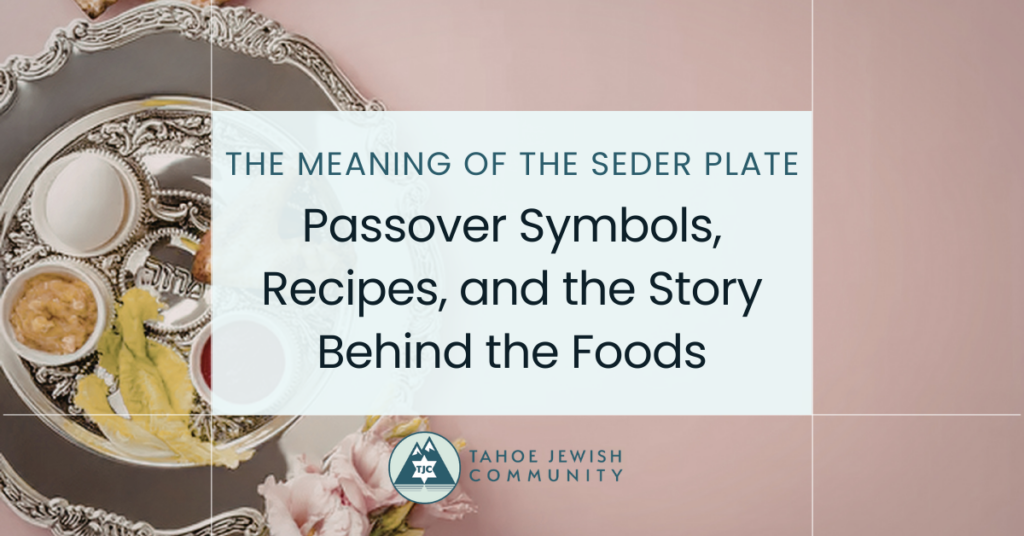
Every Passover table begins with a small plate that carries an enormous story.
The Seder plate is not meant to be a meal. It is a set of symbols — foods that evoke powerful memories. Each item represents an emotional and spiritual layer of the Exodus story: bitterness and sacrifice, hope and renewal, grief and the possibility of sweetness. The rabbis understood that memory lives in our taste buds as much as in our minds. In the Mishnah’s description of the Passover ritual, the foods are presented so that children will ask questions and adults will respond through storytelling (Mishnah Pesachim 10).
Today, we also understand that taste and smell are powerful memory triggers, activating emotional and biographical memory in ways that words alone often cannot. Because of this, the Seder plate is not only symbolic — it is experiential. We taste the story of freedom.
In our house, this tradition has always come with a little creativity. My mother’s matzah ball soup remains a classic, ever-present holiday tradition. But as a chef, she was always interested in playing with our culinary traditions in new and experimental ways. In her spirit, our family will be experimenting this year with Seder Plate Salads — dishes inspired by the symbolic foods of the Passover Seder plate.
Each salad highlights one of the traditional symbols, drawing inspiration from Sephardi, Mizrachi, Mediterranean, and Californian flavors. These recipes work well as side dishes throughout the week of Passover, and they can also come together as a vegetarian or parve Seder menu (though in my opinion, matzah ball soup still belongs on the table).
Below is a collection of recipes that turn the symbols of the Seder plate into living, flavorful traditions.
Maror: Remembering Bitterness
The Torah commands that the Passover lamb be eaten “with unleavened bread and bitter herbs” (Exodus 12:8). The rabbis debated which herbs qualify as maror, and in the Mishnah (Pesachim 2:6), lettuce appears on the list — not because it begins bitter, but because it becomes bitter over time. Commentators note the metaphor: oppression in Egypt did not begin all at once. It developed gradually.
Psychologically, naming bitterness serves an important purpose. Research on emotional processing shows that acknowledging painful experiences helps the nervous system regulate more effectively. The Seder does not rush past suffering. Instead, it invites us to taste it together.
Moroccan Orange, Olive & Radicchio Salad
Ingredients
- 1 head radicchio, sliced
- 1 head of fennel, sliced
- 2 oranges, segmented
- ½ cup green onion, sliced
- ¼ red onion, thinly sliced
- ¼ cup parsley
- 2 tbsp olive oil
- juice of ½ lemon
- Optional: pinch cumin
- Optional: pinch cinnamon
- salt
Instructions
Toss all ingredients together and serve immediately.
The bitterness of radicchio softens in the presence of citrus and the anise of the fennel — reminding us that even difficult experiences are rarely the whole story.
Haroset: The Sweetness of Survival
Haroset represents the mortar used by enslaved Israelites in Egypt, yet it is sweet. The rabbis explain that it reminds us not only of suffering, but also of resilience (Talmud Pesachim 116a). Modern research on resilience suggests something similar: people often find meaning and connection in the very places where hardship once lived.
The sweetness of haroset suggests that memory itself can transform suffering.
Persian Apple, Date & Walnut Salad
Inspired by Persian charoset traditions.
Ingredients
- 2 apples, diced
- ½ cup chopped dates
- ½ cup toasted walnuts
- ¼ cup pomegranate seeds
- 2 tbsp mint
- juice of ½ lemon
- 1 tbsp date syrup or honey
- pinch cinnamon
- pinch cardamom
Instructions
Mix ingredients and chill slightly before serving.
When I use this salad as a side-dish, I often plate it on a bed of red butter lettuce. Arugula, with its peppery flavor, could also be a fun “bedding”.
Karpas: Spring and Renewal
The Seder begins with karpas, a green vegetable dipped in salt water. Rabbinic tradition explains that this unusual beginning is meant to spark curiosity. These unusual actions are meant to inspire children (and us!) to ask why vegetables appear before the meal begins, opening the door to the story of liberation (Pesachim 114b). Indeed, curiosity is a powerful antidote to fear. Research shows that curiosity helps the brain tolerate uncertainty and approach difficult questions with openness rather than avoidance.⁵ Karpas reminds us that the journey to freedom begins with questions.
Additionally, karpas, as one of our symbols for welcoming spring and the bright blooming in our natural world right now, reminds us that renewal is possible. Even after the darkness of winter and the trauma of enslavement, new growth is possible.
Israeli Herb & Cucumber Spring Salad
Ingredients
- 3 cucumbers, diced
- 3 radishes, sliced
- 1 cup parsley, chopped
- ½ cup dill, chopped
- ½ cup mint, chopped
- 2 scallions, chopped
- 2 tbsp olive oil
- juice of 1 lemon
- salt
Toss and serve fresh.
Beitzah: Cycles of Life
The roasted egg on the Seder plate carries multiple meanings. It recalls the festival sacrifice brought to the Temple in Jerusalem (Pesachim 114b). At the same time, the egg — round and whole — symbolizes the whole of the cycle of life. Indeed, in some communities, it is the first food that mourners eat when they return from the cemetery. Jewish tradition often serves eggs at meals, following a funeral, acknowledging that life continues even after loss. This reflects the concept of holding grief and renewal simultaneously — a capacity known as emotional complexity, which is associated with the skill of resilience.⁶
Turkish Eggplant & Egg Salad
Ingredients
- 1 roasted eggplant, chopped
- 3 hard-boiled eggs, chopped
- 2 tbsp tahini
- 1 garlic clove
- juice of ½ lemon
- parsley
- olive oil
- salt
Mix roasted eggplant with eggs and tahini dressing.
Chazeret: The Bitterness That Emerges Slowly
Alongside maror, the Seder plate traditionally includes a second bitter herb known as chazeret. In many Ashkenazi communities this is represented by romaine lettuce. At first glance, lettuce might seem like a strange choice for a bitter herb—it begins tender and mild. But the rabbis noticed something important about its nature. Left in the ground long enough, lettuce grows increasingly bitter.
In the Mishnah (Pesachim 2:6), lettuce appears among the acceptable bitter herbs for precisely this reason. Rabbinic commentators later suggested that this quality mirrors the experience of the Israelites in Egypt. Oppression did not arrive overnight. It developed gradually, slowly intensifying until what once seemed tolerable became unbearable.
Psychologically, this insight feels strikingly familiar. Many forms of injustice, conflict, and harm develop slowly over time, making them difficult to recognize in their earliest stages. The symbol of chazeret reminds us to cultivate awareness — to notice when something that once seemed ordinary begins to shift toward bitterness.If maror invites us to taste the sharpness of suffering directly, chazeret asks us to notice how suffering sometimes grows quietly before we fully understand what is happening.
Romaine, Herb & Sumac Salad
This bright, herb-filled salad highlights the fresh crispness of romaine while honoring its role as the second bitter herb.
Ingredients
- 1 head romaine lettuce, chopped
- ½ cup parsley, chopped
- ¼ cup mint, chopped
- 2 scallions, sliced
- 2 tbsp olive oil
- juice of 1 lemon
- ½ tsp sumac
- Salt and pepper to taste
Instructions
Combine romaine, parsley, mint, and scallions in a large bowl. Then whisk together olive oil, lemon juice, sumac, and salt. Toss gently with the greens just before serving.
Serve immediately while the lettuce is crisp and bright.
The freshness of the herbs and citrus reminds us that even when bitterness appears in the world, renewal and vitality remain close at hand.
Salt Water: Tears Remembered
Salt water represents the tears of the Israelites in slavery. The Seder does not avoid sadness. Instead, it creates a ritual space where sorrow is acknowledged and held. Modern trauma research emphasizes that shared storytelling and communal rituals help regulate grief and restore a sense of connection.⁷ In this way, this symbol of the seder plate helps encourage empathy for our ancestors and resilience in ourselves.
Yemenite Tomato & Herb Salad
Ingredients
- 3 tomatoes, diced
- ½ cucumber
- ¼ cup cilantro
- 1 small chili
- juice of 1 lemon
- olive oil
- salt
Serve fresh with lemon and olive oil.
A Vegetarian Symbol of Sacrifice: The Beet
On the Seder plate, the shank bone (zeroa) traditionally represents the korban Pesach, the Passover sacrifice brought in the Temple in Jerusalem. The Hebrew word zeroa literally means “arm,” echoing the Torah’s description of God bringing the Israelites out of Egypt “with a strong hand and an outstretched arm” (Deuteronomy 26:8).
But what happens when a Seder table seeks to honor the symbolism of sacrifice without using meat? Interestingly, the Talmud preserves an alternative. In Pesachim 114b, Rabbi Huna mentions that at his Seder he served beets and rice, foods that symbolically represented the Passover offerings. Over time, many Jewish communities — especially vegetarian households — have adopted the beet as a symbolic substitute for the shank bone, its deep red color evoking both sacrifice and the life force of blood.
Beets offer another layer of resonance for Passover. Their vibrant red color and earthy sweetness remind us that liberation is not only a story of survival, but also a story of life returning to the soil in spring. Across Sephardi and Mizrachi cuisines, beet salads are beloved—often dressed with citrus, garlic, cumin, and herbs.
Moroccan Beet Salad
This salad draws from classic Moroccan beet preparations, where roasted or boiled beets are paired with bright citrus and warm spices.
Ingredients
- 4 medium beets, roasted or boiled, peeled and diced (or grated)
- 2 tbsp olive oil
- juice of 1 lemon
- 1 small garlic clove, grated
- ¼ tsp cumin
- pinch paprika
- 2 tbsp parsley, chopped
- 2 tbsp cilantro, chopped
- salt and pepper
Optional additions:
- orange zest or segmented citrus
- grated carrots
- preserved lemon, finely chopped
- cooked rice
- cooked green lentils
Instructions
- Roast or boil the beets until tender, then peel and dice.
- In a small bowl, whisk olive oil, lemon juice, garlic, cumin, paprika, salt, and pepper.
- Toss the warm beets (and other optional additions) with the dressing.
- Stir in parsley and cilantro before serving.
Serve at room temperature.
Spring Sweetness and the Orange on the Seder Plate
This salad celebrates the sweetness of spring — and the expanding meanings of Jewish tradition. The carrot represents the earth awakening after winter, while citrus brings brightness to the Passover table. In recent decades, many families have added an orange to the Seder plate as a symbol of inclusion and feminist values within Judaism. One widely shared story traces the custom to scholar Susannah Heschel, who placed an orange on the Seder plate to affirm the full participation of women and LGBTQ Jews in Jewish life. Like the Exodus itself, Jewish tradition continues to grow and widen. Throughout the generations, rituals that evolve with the values of a community help people feel belonging and agency within tradition.
Moroccan Carrot & Orange Salad
Ingredients
- 4 carrots, grated
- 1 orange, segmented
- ¼ cup cilantro
- 2 tbsp olive oil
- juice of ½ lemon
- pinch cumin
- pinch cinnamon
- salt
Chill before serving.
Passover Sauces and Vinaigrettes
Passover is about encouraging curiosity, and therefore, maybe even a little experimentation. Sometimes switching a sauce or trying a new vinaigrette gives the story of a salad just the different perspective that it might need to inspire greater interest.
Lemon Parsley Tahini
(A classic Middle Eastern dressing)
Ingredients
- ½ cup tahini
- juice of 1 lemon
- 1 garlic clove (or, if you are me, measure this one with your heart)
- ¼ cup water
- 2 tbsp parsley
- salt
Whisk until creamy. If too creamy, add more lemon juice or water, to taste.
Pomegranate Vinaigrette
- 3 tbsp olive oil
- 1 tbsp pomegranate molasses
- 1 tbsp lemon juice
- pinch cumin
- salt
Orange Blossom Vinaigrette
- 3 tbsp olive oil
- 2 tbsp orange juice
- 1 tsp honey
- salt
Preserved Lemon Dressing
- 3 tbsp olive oil
- 1 tbsp chopped preserved lemon
- 1 tbsp lemon juice
- parsley
- black pepper
The Seder as a Living Table
The Seder plate begins as a small arrangement of symbolic foods, but its purpose is much larger. It invites conversation, curiosity, and reflection about freedom.
In every generation, the Haggadah teaches that we are meant to see ourselves as if we personally left Egypt. Sometimes that journey begins with a question. Sometimes with a story. And sometimes with the experience of tasting something bitter, sweet, or unexpectedly bright.
Passover reminds us that tradition lives not only in books, but at the table.
References
- Mishnah Pesachim 10.
- Rachel Herz, The Scent of Desire (New York: HarperCollins, 2007).
- James Gross, “Emotion Regulation,” Handbook of Emotions (2008).
- Richard Tedeschi and Lawrence Calhoun, Posttraumatic Growth (1996).
- Todd Kashdan, Curious? (New York: HarperCollins, 2009).
- Susan David, Emotional Agility (2016).
- Bessel van der Kolk, The Body Keeps the Score (2014).